




TABLE OF CONTENTS
Cloud Firestore vs Reatime Database

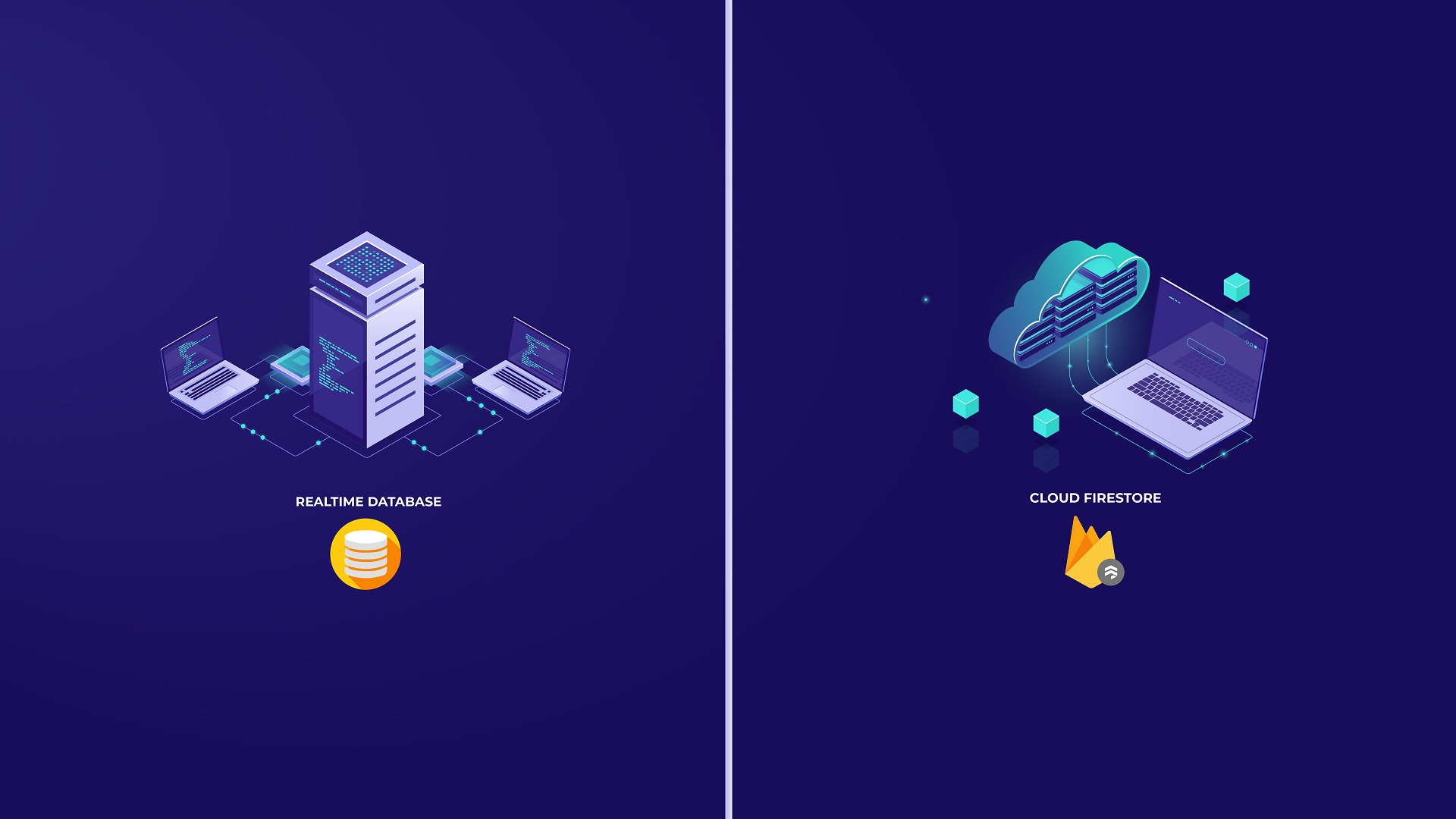
What is Firebase?
It is Google’s web and mobile application development platform that helps to develop high-quality Apps. Firebase is the backend of your apps which includes many features like cloud storage, realtime database, user authentication, static hosting and many more. Firebase offers two types of client-accessible, cloud-based database solutions for mobile apps that support realtime data syncing.
Real-time Database
Cloud Firestore
What is Real-time Database??
Realtime Database is the first and original cloud-based database and is the well established product of Google’s Firebase. It is an efficient and low-latency solution, for the mobile apps requiring synced states across clients in realtime.
What is Cloud Firestore?
Cloud Firestore is the new flagship database of Firebase used for mobile app development. Firestore comes with better scalability, richer features and faster queries and makes it a more intuitive model of Firebase. Though it is promising improvised technologies, it is still in beta testing stage.
Comparison:
| Real-time Database | Cloud Firestore | |
|---|---|---|
| Realtime and offline support | Offline support for only the Android and iOS mobile clients. | Offline support for Android, iOS and web clients as well. |
| Data model | Data stored as one large JSON tree. | Data is stored in the form of documents and are organised in collections. |
| Querying | Provides deep queries with limited sorting and filtering functionality. The developers can either sort or filter on a property in a single query. | Provides shallow queries. It indexes query with compound filtering and sorting. Allows filtering and sorting in a single query. |
| Writes and transactions | Provided basic writes and transaction options. | Provided advanced writes and transaction options. |
| Scalability | Sharding is required for scaling.Shards data over 100000 concurrent connections. Requires sharding data across multiple databases. | Scaling will be automatic without the need of sharding. |
| Security | The firebase database rules are the only security options. Developers need to validate data separately using ‘validate’ rule. | Uses Identity and Access Management (IAM). Data validation happens automatically. |
| Pricing | Charges only for bandwidth and storage at a higher range. | Charges primarily on operations performed in database (Read, write, delete) , bandwidth and storage at a lower range. supports daily spending limits for Google App Engine projects. |
Most popular pages

API Versioning Strategies That Do Not Break Your Clients Every Six Months
Every backend team eventually ships a change that breaks a client they forgot about. It usually happens the same way. The API contract looked...
-
Database Connection Pooling: Why Most Applications Are Doing It Wrong
Connection pooling sits in a quiet corner of most backend architectures. It rarely appears in architecture diagrams, it generates no alerts until something goes...
-
Infrastructure as Code Maturity: From Basic Terraform to Policy-Driven Automation
Most engineering teams that have adopted infrastructure as code are not where they think they are. They have Terraform files in a repository. They...
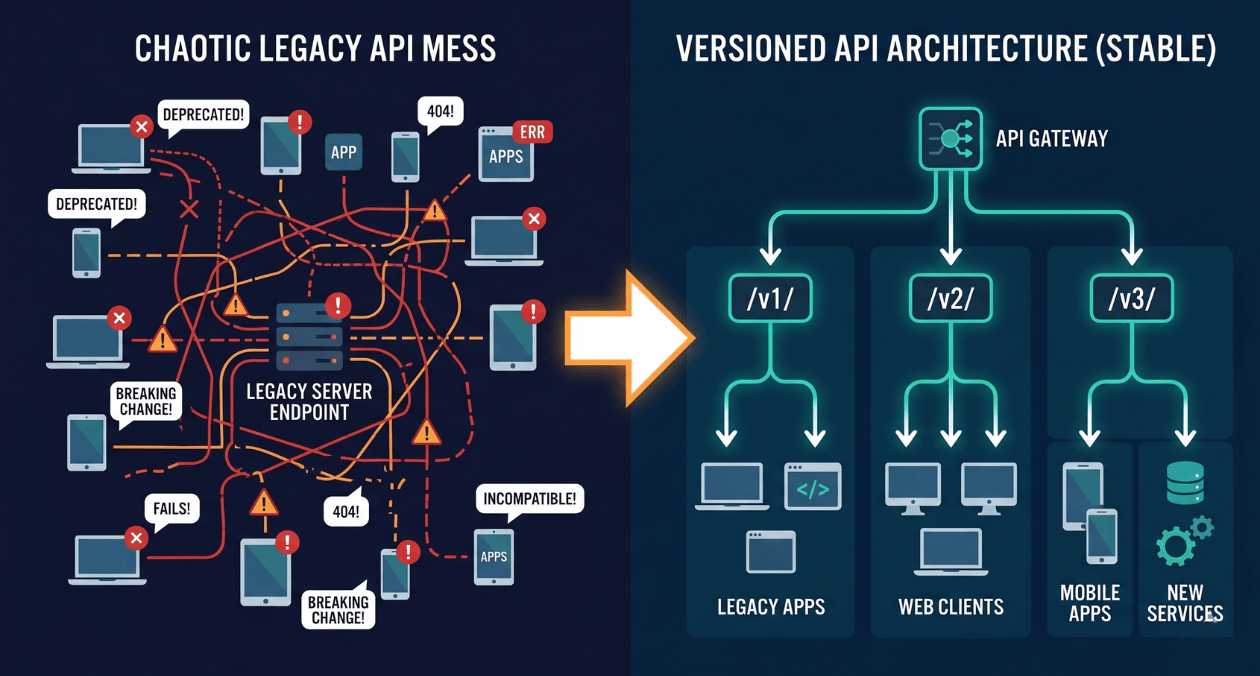
API Versioning Strategies That Do Not Break Your Clients Every Six Months
Every backend team eventually ships a change that breaks a client they forgot about. It usually happens the same way. The API contract looked...
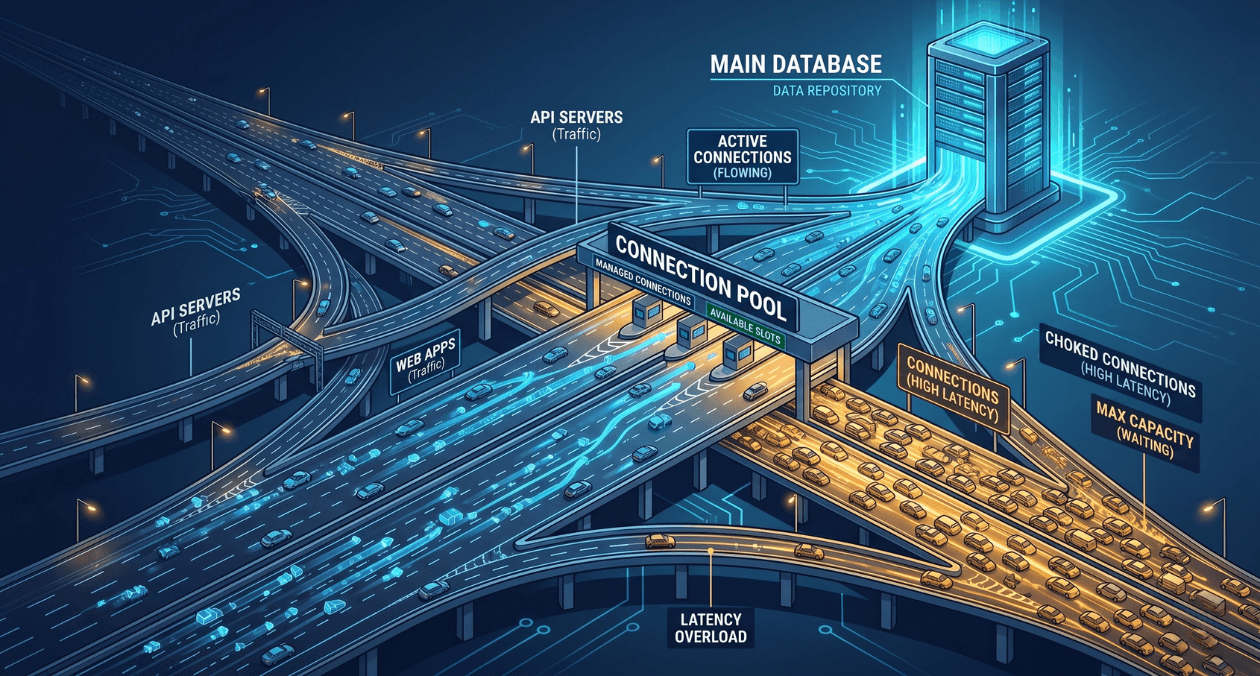
Database Connection Pooling: Why Most Applications Are Doing It Wrong
Connection pooling sits in a quiet corner of most backend architectures. It rarely appears in architecture diagrams, it generates no alerts until something goes...
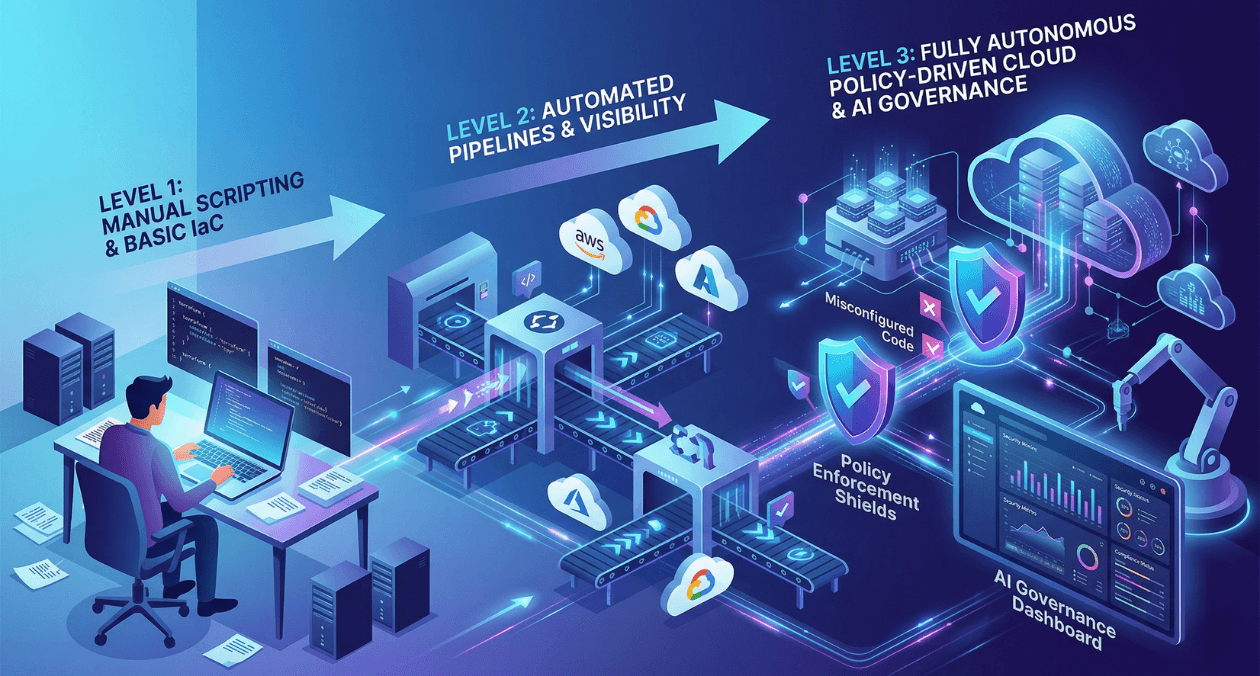
Infrastructure as Code Maturity: From Basic Terraform to Policy-Driven Automation
Most engineering teams that have adopted infrastructure as code are not where they think they are. They have Terraform files in a repository. They...